
Concrete Sealing After Pressure Washing: Is It Worth It?
Pressure washing opens the pores of concrete. What you do next determines how long it stays clean. Bergen County property owners ask us this question every season.
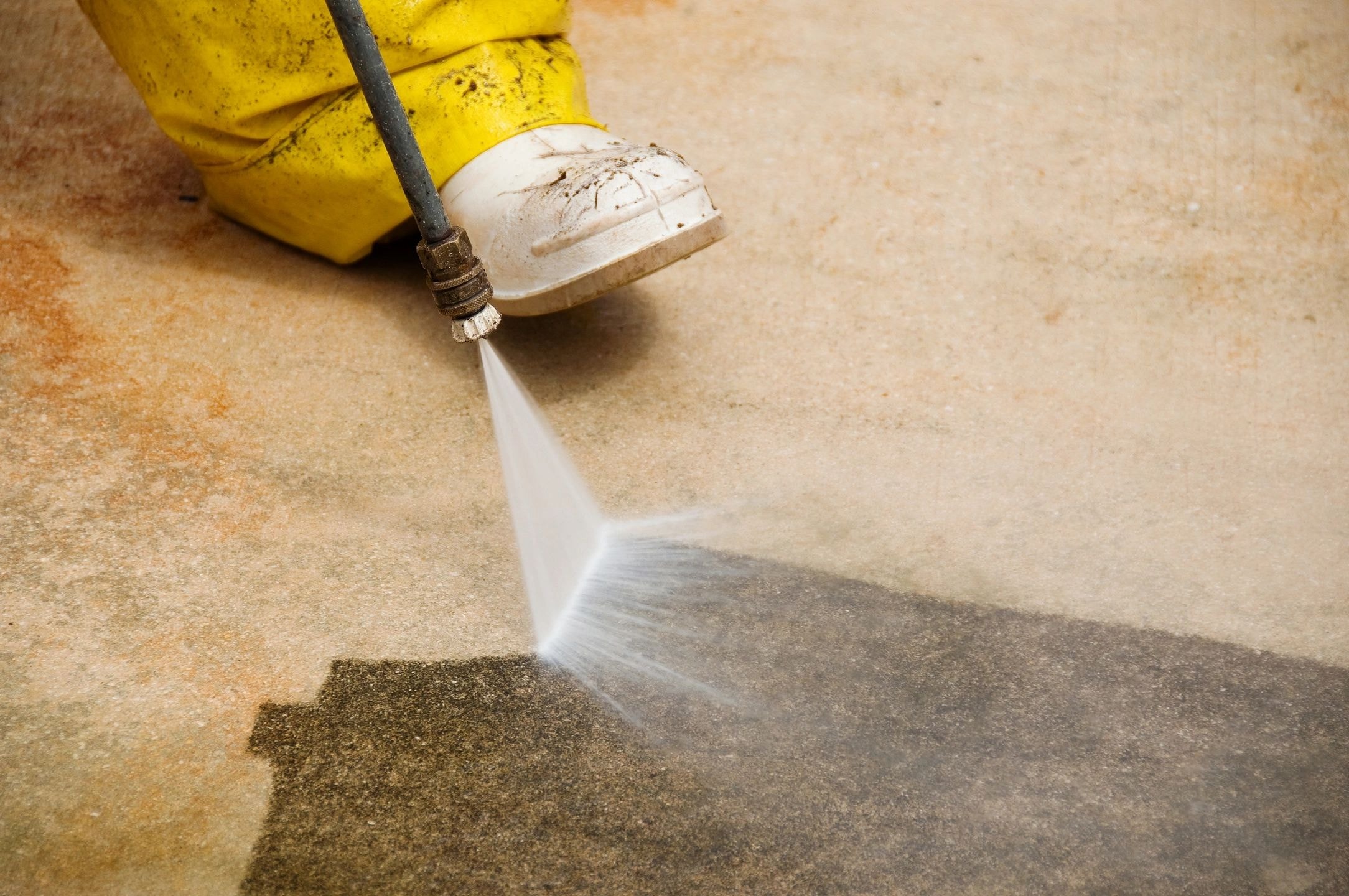
Concrete Sealing After Pressure Washing: Is It Worth It?
Every spring and fall, after we finish a parking lot or walkway cleaning in Bergen County, the same question comes up: Should we seal it while it is clean?
The honest answer is: sometimes yes, sometimes no — and the difference matters enough to explain properly.
What Pressure Washing Does to Concrete
Concrete is porous. Over time, those pores fill with oil, road film, biological growth, and mineral deposits. Pressure washing flushes that contamination out, which is exactly what it is supposed to do.
The side effect is that freshly cleaned concrete is more open and receptive than it was before. That is actually the ideal moment to apply a sealer — the surface is clean, the pores are clear, and the sealer can penetrate deeply rather than sitting on top of a layer of grime.
What a Sealer Does
A penetrating concrete sealer does three things:
1. Slows recontamination. Oil from vehicles, food spills, and biological growth have a harder time bonding to sealed concrete. The surface stays cleaner longer between service visits.
2. Protects against freeze-thaw damage. This is the Bergen County argument. Water that enters unsealed concrete expands when it freezes. Over multiple winters, that expansion creates spalling — the surface flakes and pits. A sealer significantly reduces water infiltration and extends the life of the slab.
3. Makes future cleaning easier. Sealed concrete responds better to pressure washing. Contaminants sit on the surface rather than penetrating into it, so the next cleaning takes less time and less water pressure to achieve the same result.
When Sealing Makes Financial Sense
Sealing is not always the right call. Here is how we think about it:
Seal it if:
- The concrete is in good structural condition — no major cracks or spalling
- It is a high-traffic area: parking lots, loading docks, walkways, drive-throughs
- The surface sees regular oil or chemical exposure
- You want to extend the interval between professional cleanings
- The concrete is less than 10 years old and you want to protect that investment
Skip it if:
- The concrete has significant structural damage — sealing over cracks traps moisture and accelerates deterioration
- It is a decorative stamped or colored surface that requires a specific product (a different conversation)
- The area drains poorly — sealer can make standing water worse on flat surfaces without adequate slope
- You are planning to replace the surface within two to three years
The Bergen County Climate Case
New Jersey averages 10 to 15 significant freeze-thaw cycles per winter in Bergen County. Each cycle stresses unsealed concrete. Property managers who seal their parking lots and walkways consistently report fewer surface repairs over a 10-year period compared to those who do not.
The math is straightforward: a sealing application costs a fraction of a concrete repair or replacement. For most commercial properties, it pays for itself within two to three winters.
What We Recommend
When we complete a pressure washing job on concrete, we assess the surface condition and give you a direct recommendation. If sealing makes sense for your property, we can apply it the same day while the surface is clean and dry — no second mobilization, no additional scheduling.
If it does not make sense — if the concrete has issues that sealing would mask rather than solve — we will tell you that too, along with what the actual repair path looks like.
Want to know whether your Bergen County property's concrete is a good candidate for sealing? Call us at (201) 697-3695 or send us a message. We will give you a straight answer.
Explore Topics
Written by
Therm-O-Jet Power Washing
Content creator and writer sharing insights and stories.

